Backs, necks, knees, hips, shoulders and elbows. Physiotherapy in Kendal.
Tell me where it hurts, not what you think you need.
Most people who get in touch have already spent an evening trying to work out what's wrong and what to ask for. You don't need to. Tell me where it hurts, when it started and what it has stopped you doing: the stairs, the drive to work, sleeping on that side, carrying the shopping in from the car.
Working out what it is and what to do about it is my job. I'll explain both before you leave, in words you can repeat to someone at home.
Sam physiotherapist, backs, necks, shoulders and elbows
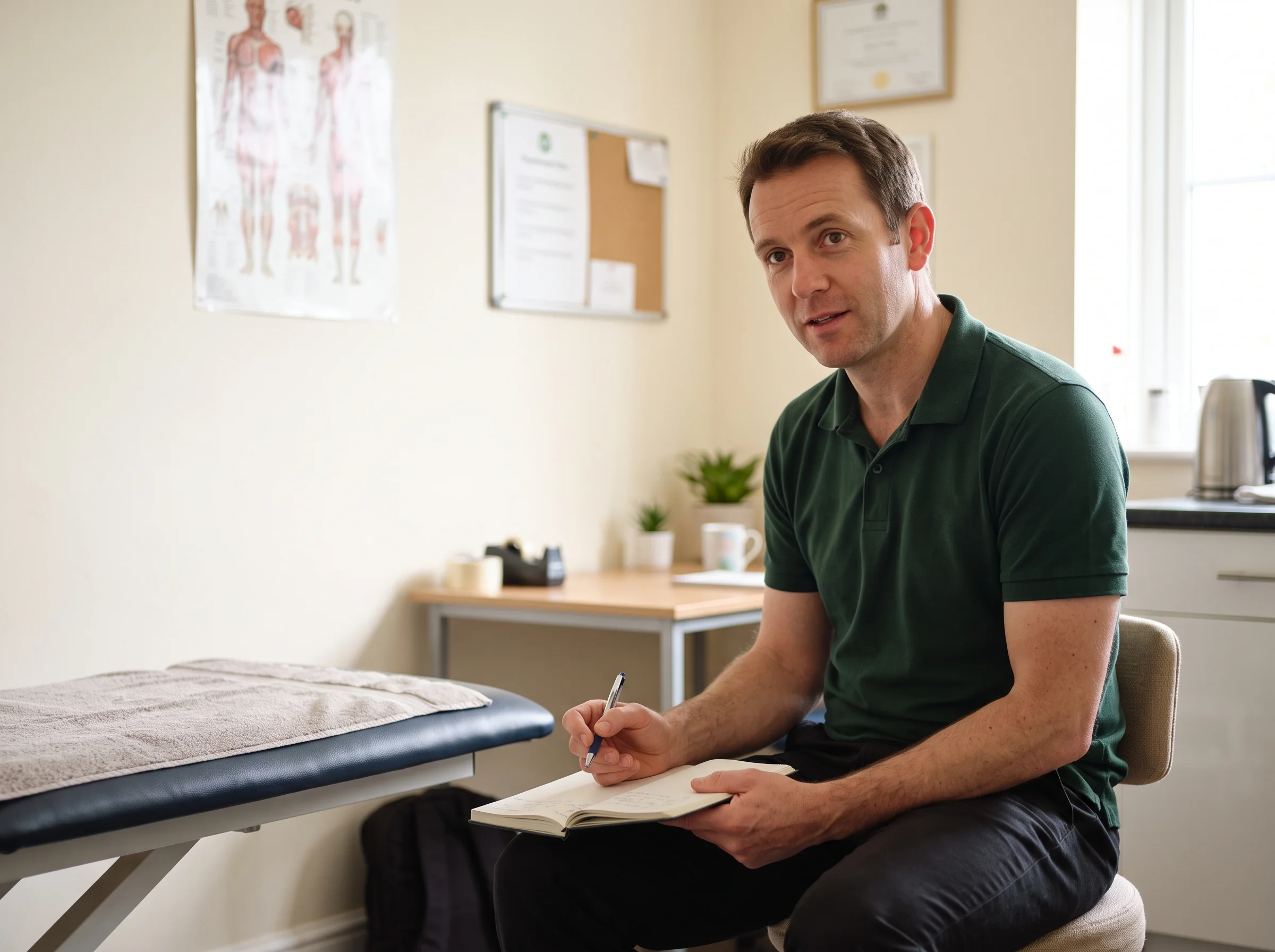
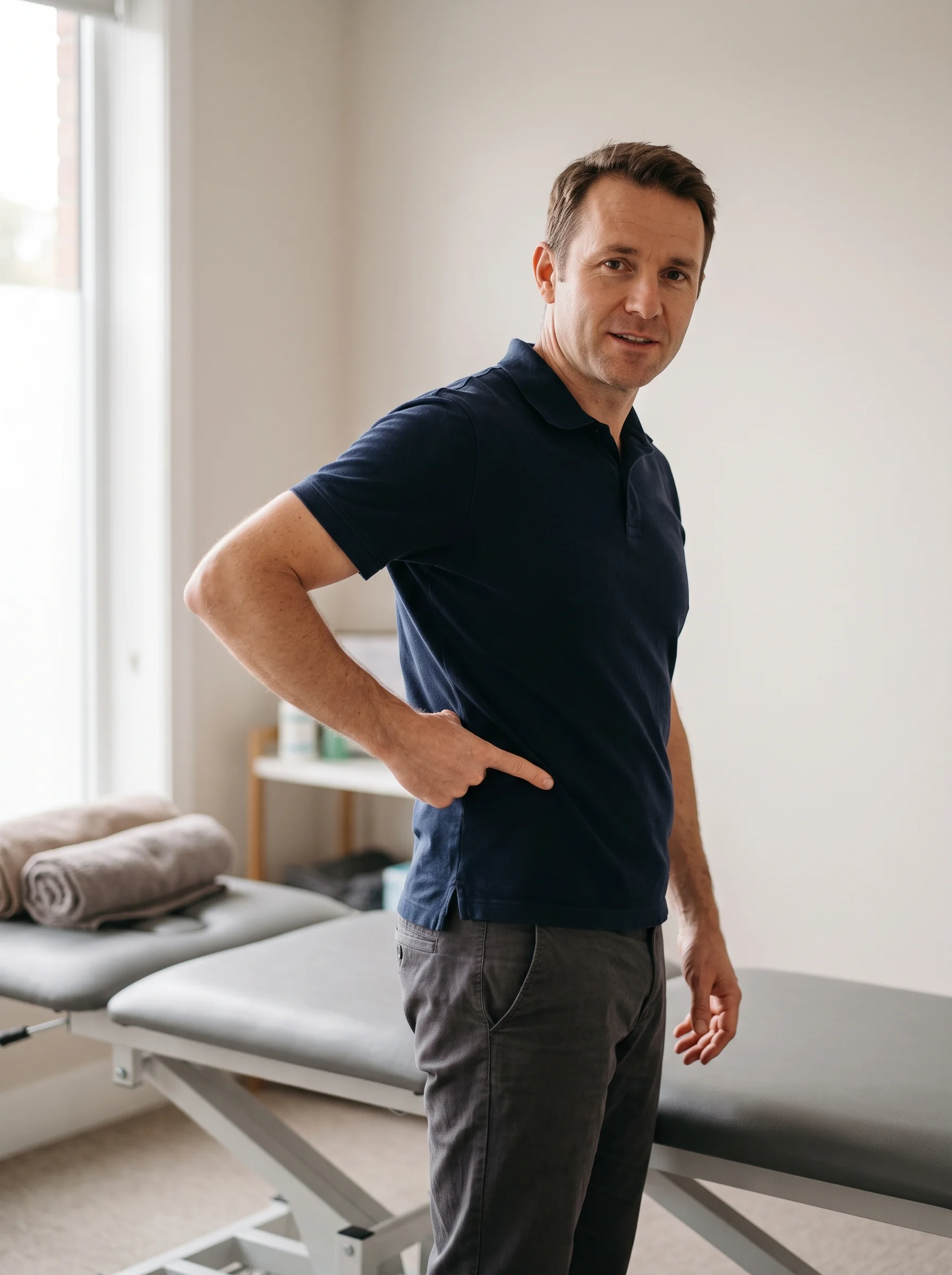
Sam
“I'll ask you first what you're worried about, before I ask where it hurts.”
Back and neck pain
The most common reason anyone comes through the door, and the one people worry about most. Back pain treatment in Kendal starts the same way whichever of us you see: with your story, not a scan.
What people bring in
A back that went while lifting something ordinary. A neck that was fine at bedtime and wouldn't turn by morning. An ache that has been there for years and has started to spread or to wake you. Pain, pins and needles or numbness running down an arm or a leg; the leg version is what most people mean when they say sciatica.
What I'll look for
How you sit, stand, bend and turn, and which of those changes the pain. Whether a nerve is involved, which is a few simple tests and takes two minutes. Whether anything in your story needs a doctor rather than a physiotherapist. If it does, I'll say so plainly at this first appointment and tell you who to see.
Do I need an X-ray or MRI first?
Usually not. Most back and neck pain doesn't need a scan before you see me, and a scan often shows ordinary age-related changes that aren't what is hurting. If I think you do need one, I'll tell you and explain why.
What the first appointment covers
Talking first, then the examination, and then I'll tell you what I think is going on in words you can repeat at home. You and I will agree what you'll do this week, written down, and you'll leave with my name for next time.
Knee, hip and ankle problems
The knee that won't take the stairs down. The hip that aches when you turn over at night. The ankle that keeps going over on the path down from Scout Scar. Knee and hip physio in the South Lakes is mostly about walking, so that's where I start.
What people bring in
A knee that swells after a long day, clicks on the stairs or gives way without warning. A hip that is stiff first thing and sore by the evening, or a pain in the groin that you'd assumed was a muscle. An ankle that was sprained months ago and has never felt trustworthy since. Heels and arches that hurt for the first few steps out of bed.
What I'll look for
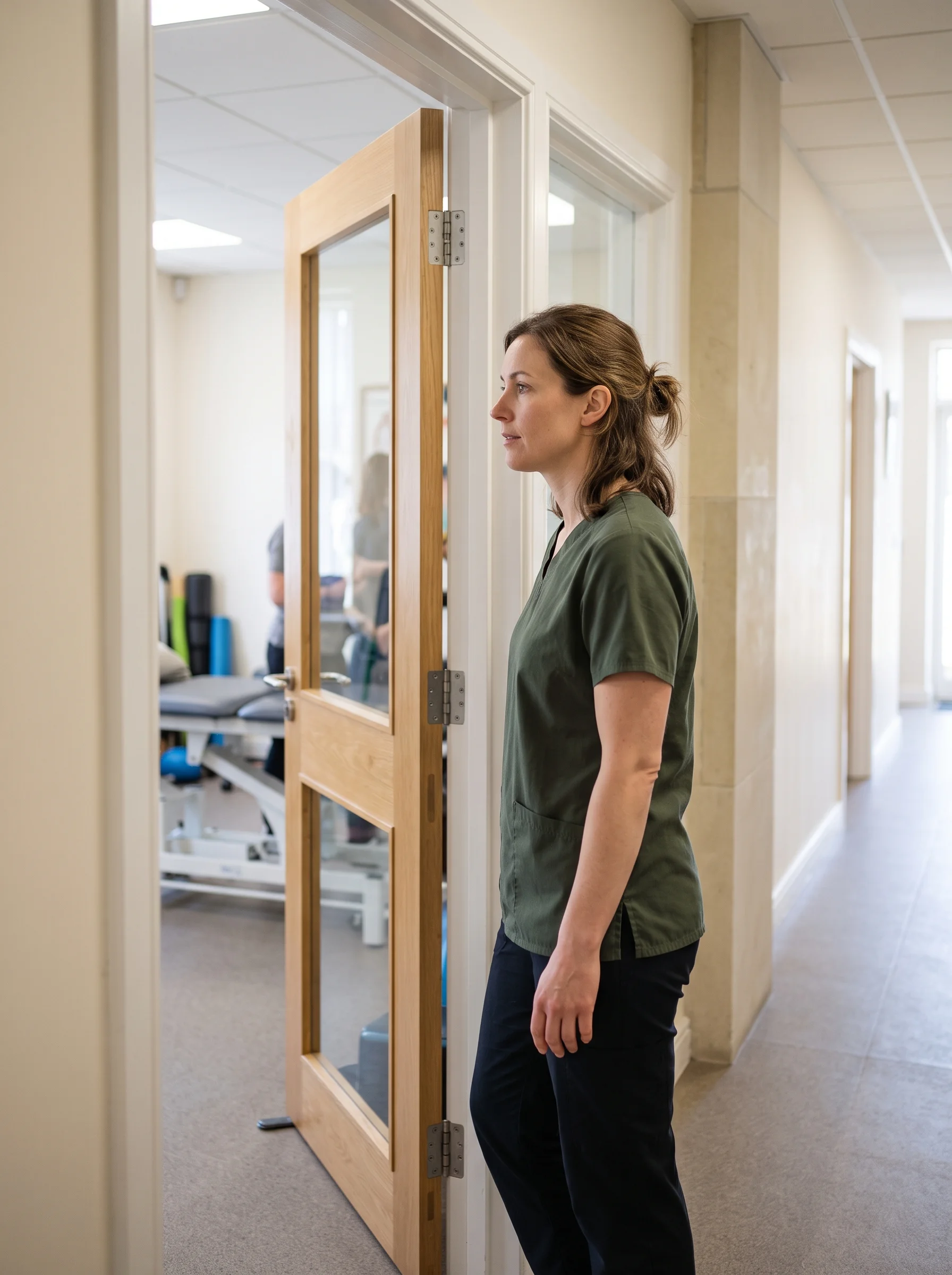
I'll watch you walk before anything else: along the corridor, up the step in my room and back down. The knee, hip and ankle work as a chain, so the sore joint often isn't the one that is misbehaving. Then I'll feel for swelling, test how far the joint moves and how strong the muscles around it are, and tell you which of those findings matters and which don't.
Do I need a scan first?
Most knee, hip and ankle pain doesn't need an X-ray or MRI before you see me. If I think yours does, or that it needs a doctor's opinion first, I'll say so at the first appointment rather than let you come back and find out later.
What the first appointment covers
Your story, the walking, the examination, and then a plain explanation of what the joint is doing and why. You'll go home with a short written list of what to do this week and the name of who you'll see next time, which is normally me.
Two of these problems have their own page
If your hip or knee is a new one, replaced in the last few months, Jo sees you rather than me, and she visits at home in the first weeks if you can't get to Kendal yet. Read After a new hip or knee.
If the pain only turns up when you run, or on a long day on the fells, start with Walkers and fell runners. That one's mine too.
Shoulder and elbow problems
Reaching the top shelf. Doing up a seatbelt. Lifting the kettle. Sleeping on that side. An elbow that complains every time you grip, turn a key or carry a bag. Shoulder and elbow physiotherapy in Kendal is mostly about getting those ordinary things back.
What people bring in
A shoulder that is sore to lift but moves. A shoulder that has stiffened over months until it hardly moves in any direction, which is what most people mean by a frozen shoulder, and which behaves quite differently from the first kind. A shoulder that aches at night and wakes you. Elbows that hurt on the outside when you grip, or on the inside when you carry.
What I'll look for
Shoulders are complicated, and most of the words for what goes wrong with them aren't much use to you. So I'll watch how the arm moves and how the shoulder blade moves with it, test the strength of the muscles that hold the joint steady, and find out exactly which movements bring your pain on. For an elbow, I'll find the sore spot precisely and ask what you've been gripping, lifting and carrying.
Do I need a scan first?
For most shoulder and elbow pain, no. The examination tells me more than a scan would about what to do this week. If I think a scan or a doctor's opinion is needed, I'll tell you at the first appointment and say why.
What the first appointment covers
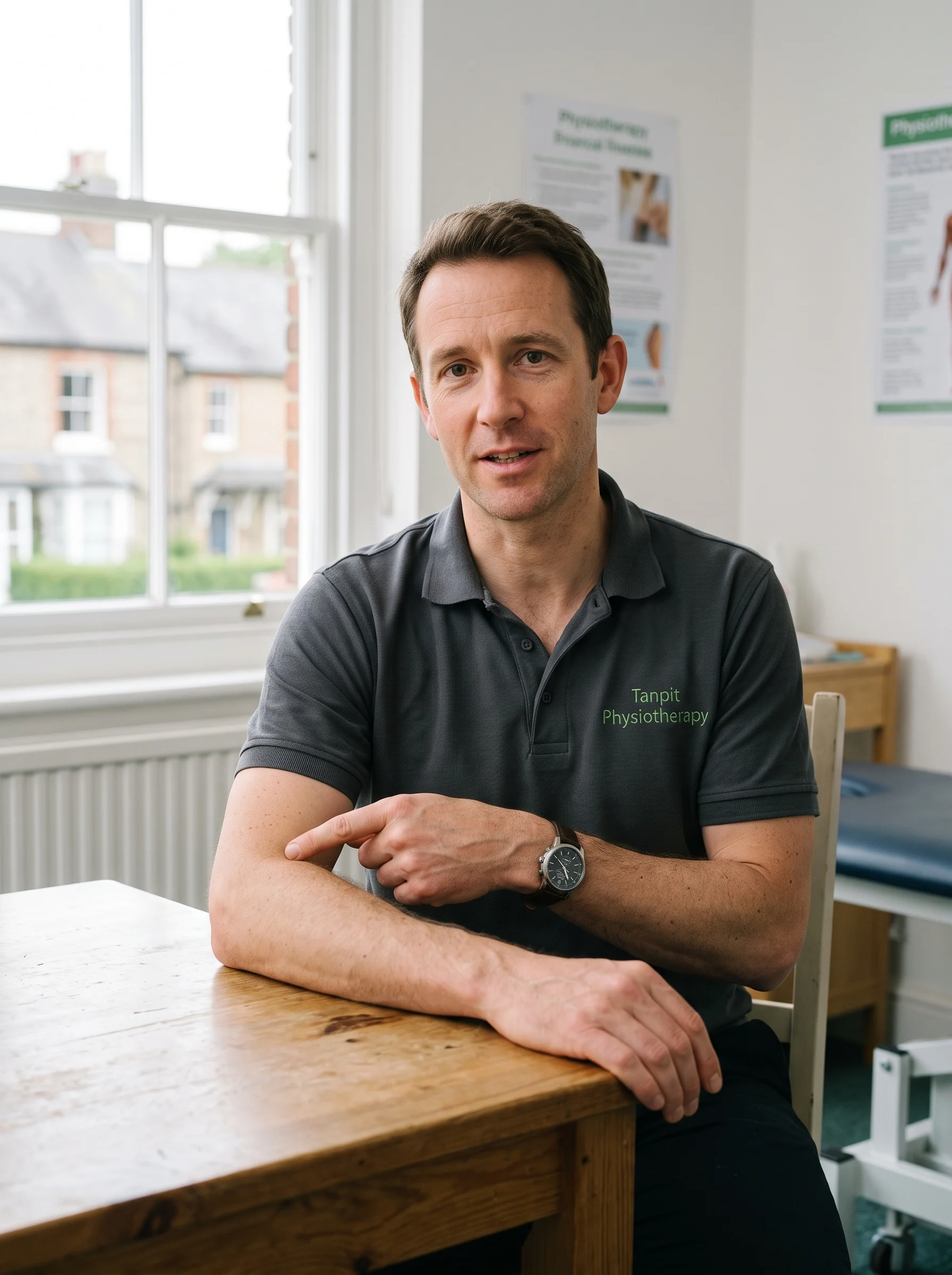
Your story, the examination, then a plain explanation: I'll show you on my own shoulder what yours is doing, so you can show someone at home. You'll leave with two or three things to do this week, written down, and know that it's me you'll see next time.
What you'll go home knowing
Sam, Jo and Helen each make the same three promises to every patient, whatever is hurting and whichever of them you see.
-
I'll tell you what's wrong, in words you can repeat at home.
No leaflet needed. If you can't explain it to someone over tea that evening, I haven't explained it properly.
-
I'll tell you what to do about it this week, and write it down.
Two or three things, not twenty. What to do, what to ease off, and what's safe to carry on with.
-
I'll tell you who you'll see next time, by name.
Normally the same person. If one of the other two is a better fit for your problem, you'll be told why and introduced.
Book an assessment
You've found your problem on this page, so you already know who to ask for. Choose a name when you book, or ask for whoever can see you soonest; either way you'll be told who it is before anything is confirmed.
- SamBacks, necks, shoulders and elbows.
- HelenKnees, hips, ankles, walkers and fell runners.
- JoNew hips and knees, clinical Pilates, home visits.
Not sure what you need? Ask first; nobody minds.