After a hip or knee replacement
I'll meet you at the door.
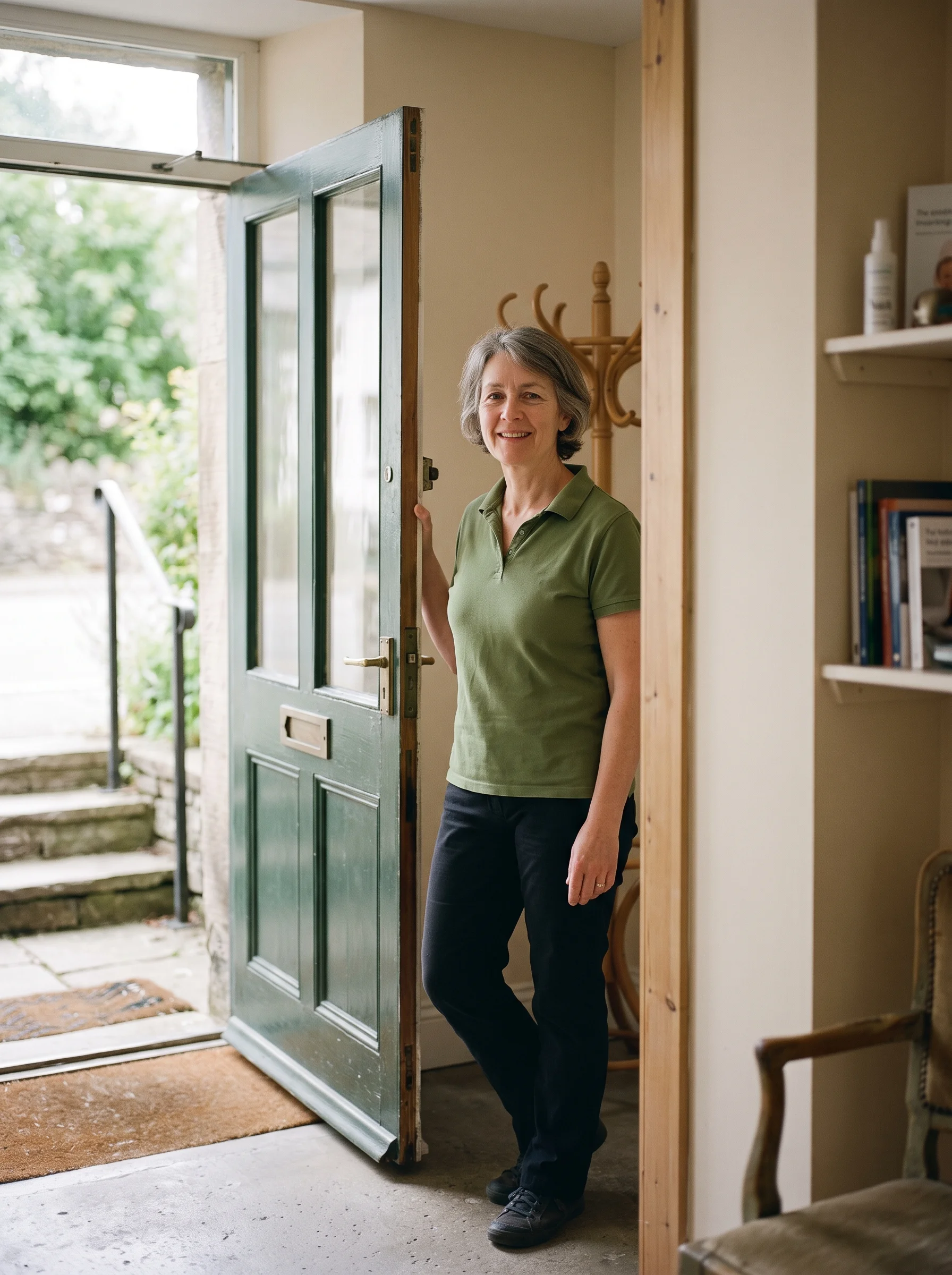
Jo
Physiotherapist. Most of my week is people with a new hip or knee.
“If you've just come home with a new hip or knee, you're probably sore, tired, and not sure what you're allowed to do. That's normal, and it's where I start.”
The rooms are on the ground floor, step-free from the car park. Crutches, a frame, a stick or a slow walk are no trouble, and if you'd like me to, I'll come out to the car and walk in with you.
You don't need a GP letter to book. If the hospital sent you home with an exercise sheet or a letter from your surgeon, bring it; that's the only paperwork I'd like to see. A relative is welcome to sit in and take notes.
Ready now? Book your first visit. Want directions first? Getting here, including the car park.
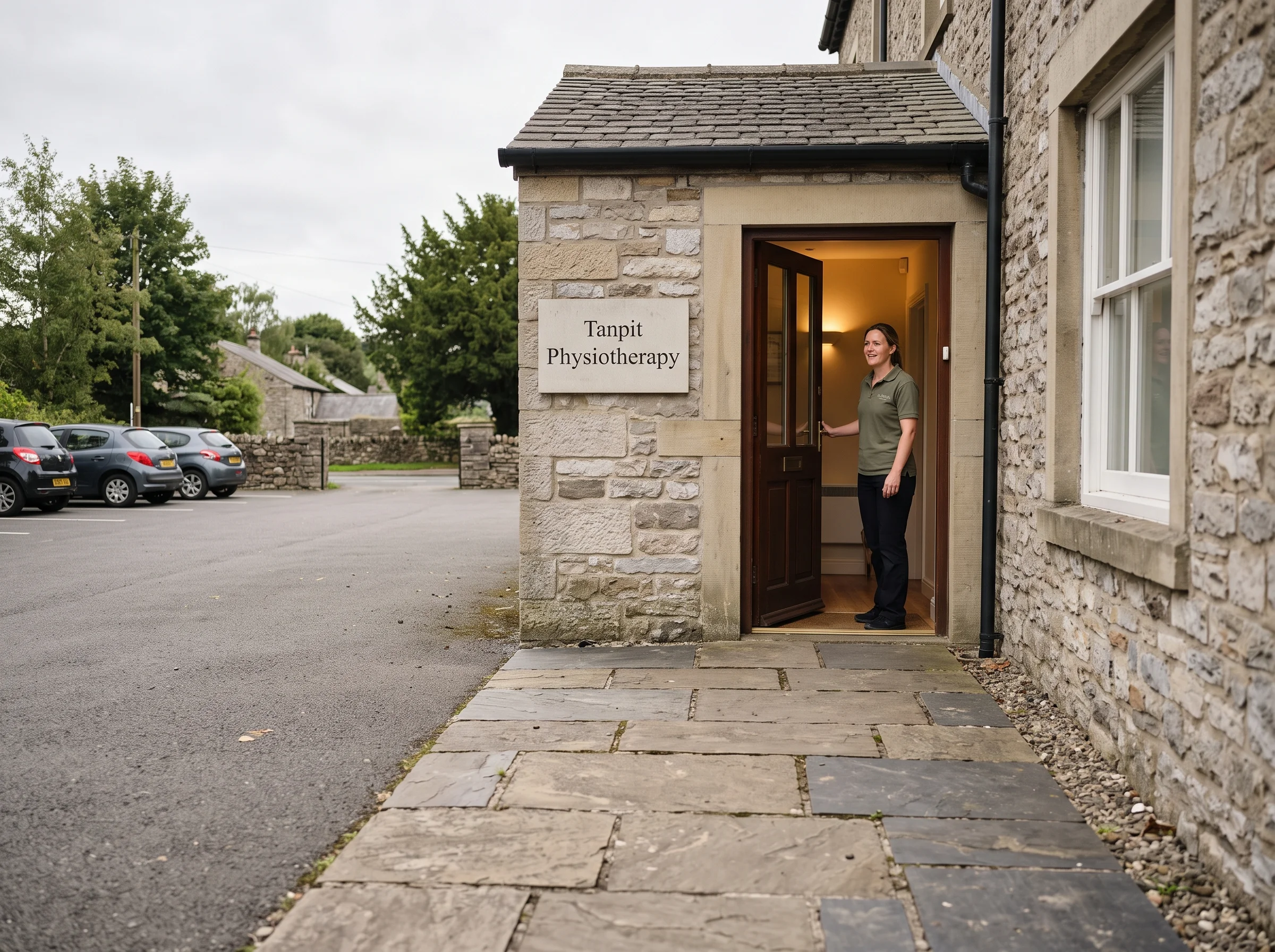
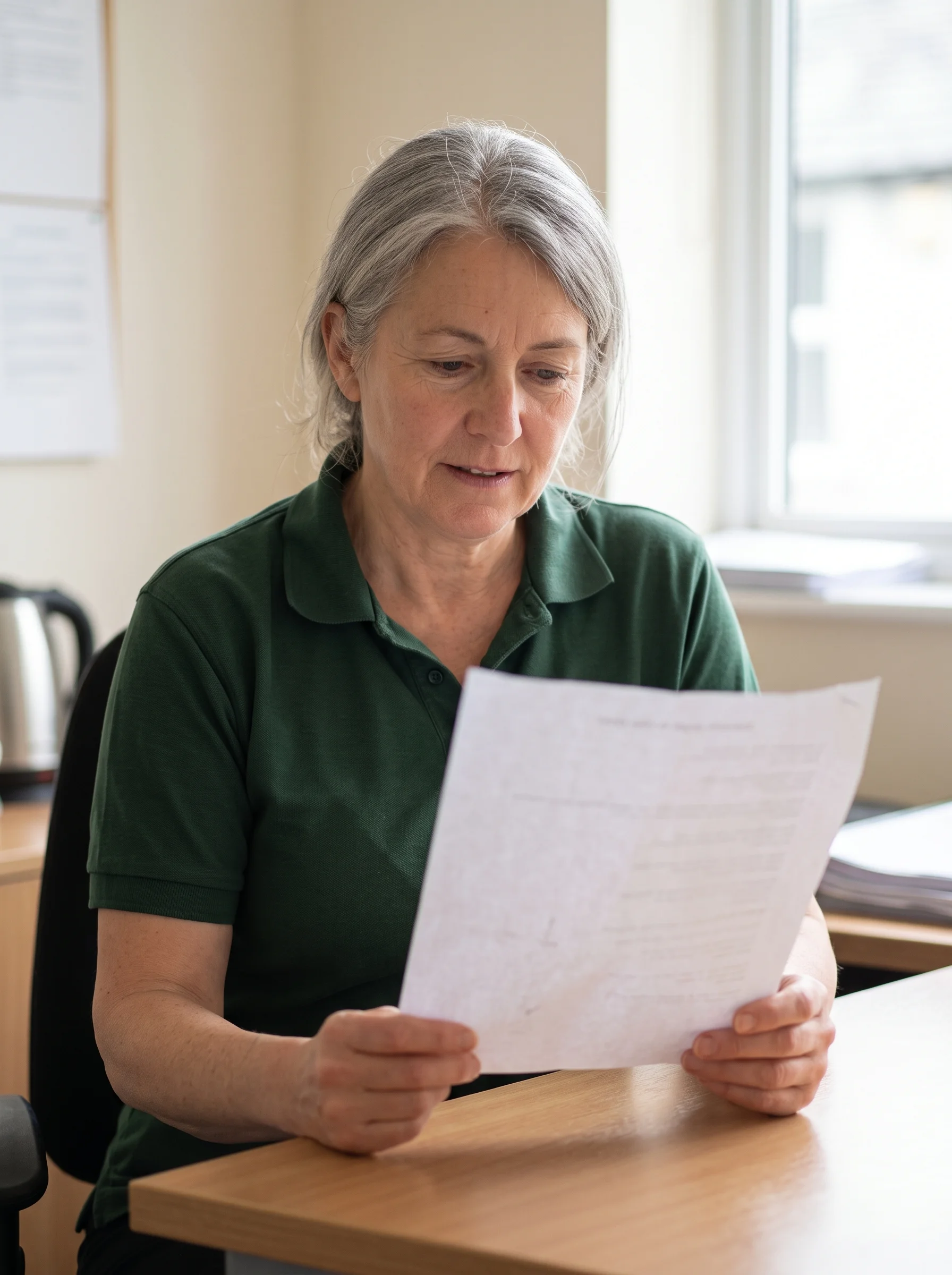
Jo
“Your surgeon set the rules for the new joint. My job is to help you follow them without being frightened of it.”
The first weeks after surgery
Hip replacement physiotherapy in the South Lakes mostly looks like this: ordinary tasks, done a little better each visit, with someone watching who knows what a new joint should and shouldn't be doing at this stage. The order below is how it tends to go. How quickly you move through it is yours, and I'll never hurry you off your sticks.
-
The first days home
I read what the hospital gave you, and I don't contradict it.
We go through the exercises you were sent home with and I check you're doing them the way they were meant. If anything on the sheet doesn't make sense, I'll explain it in words you can repeat to whoever is helping you at home.
-
Getting about the house
Stairs, the bath step, the garden path.
I watch how you do each one and show you a safer way if there is one. Swelling, morning stiffness, a knee that won't bend as far as you'd like yet: I'll tell you which of those are expected at this point and which I'd want to look at more closely.
-
Walking further
Round the car park first. Then the street. Then somewhere with a slope.
I'll tell you how far to go between visits and when it's time to put one crutch down, then the other. The first walk round the car park is the bit of my week I like best.
-
Between visits
You leave each time with a short written list.
What to do, how often, what should feel like effort and what should make you stop. If something changes and worries you before the next appointment, get in touch; you don't sit on it for a fortnight.
People ask how long it takes to get back to the paths. I'd rather tell you honestly in the room, once I've seen you walk, than put a number on a website. If at the first appointment I think your surgeon or your GP needs to see you rather than me, I'll say so then.
If you can't get to us yet: home visits
Jo on physiotherapy home visits around Kendal in the first weeks.
For the first weeks after a hip or knee replacement, a lot of people can't drive and can't face a car journey. So I come to you.
- Who comes: me. The same person you'll see in the clinic later, so nothing has to be explained twice.
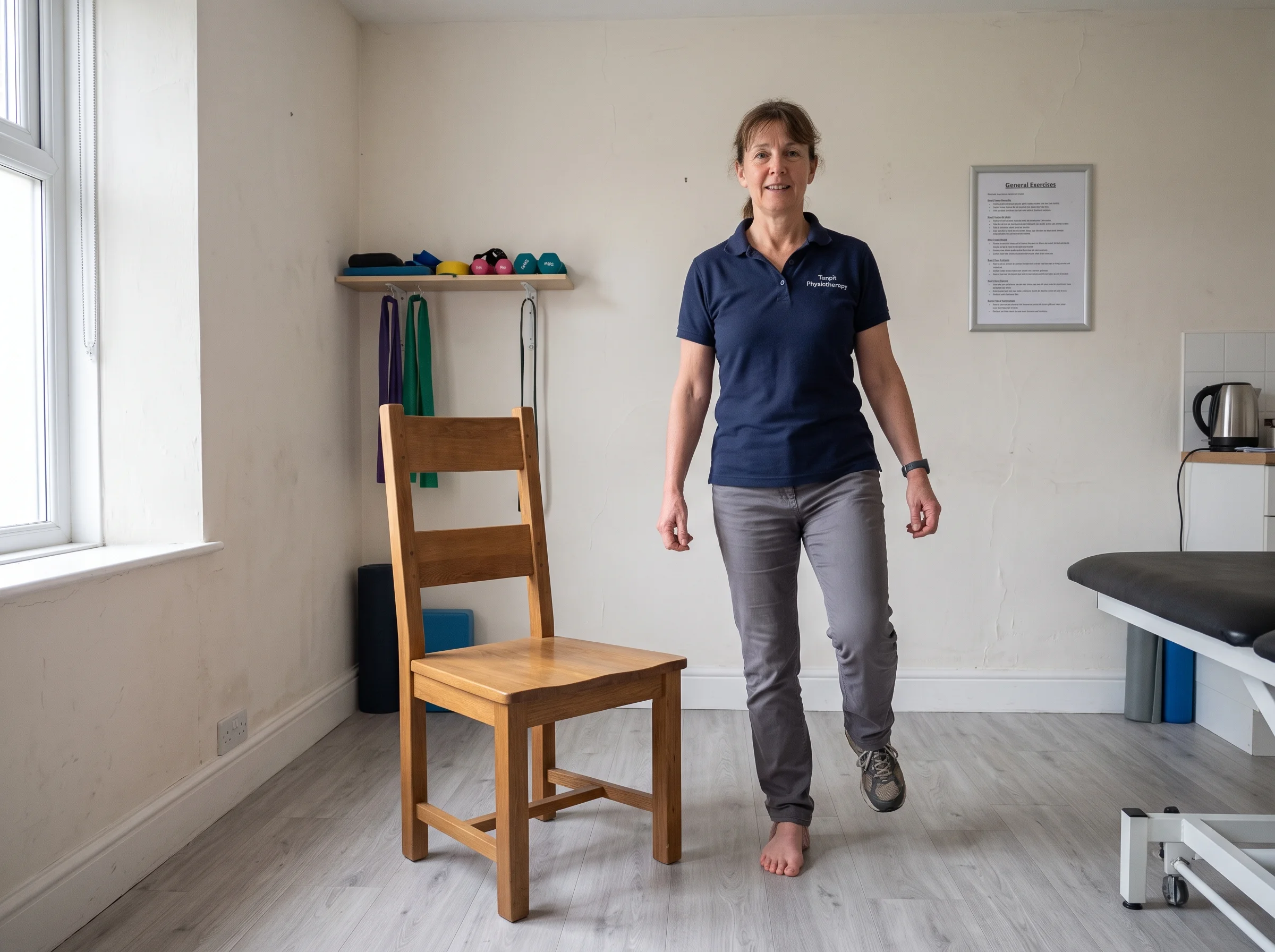
- What I bring: what I need. At your end a sturdy dining chair and room to take a few steps is plenty.
- What happens: the same appointment as in the rooms. We talk, I watch you move, and we go through your exercises on your own stairs and in your own kitchen, which is more use than any clinic stair.
- What comes next: once you can travel, you move to the ground-floor rooms in Kendal, and you still see me.
Ask about a home visit when you book.
Say roughly where you live. I'll tell you plainly whether I can get to you and what a visit costs before anything is arranged.
Ask about a home visitWhen you're steady: the Pilates studio
Once you're walking without having to think about it, the next job is strength and balance, so the muscles around the new joint can be trusted on a wet slope or a loose stile. That work happens in the small studio next to the treatment rooms.
It's clinical Pilates in Kendal in the plainest sense: slow, controlled movements, one at a time, chosen for your joint and your stage, with me standing beside you. It's a continuation of the care you've already had, not a class you have to sign up for.
- A plain room on the ground floor: mats, a plinth, a chair, some bands and small weights.
- No class to keep up with, no music, no mirrors you have to look at.
- No one in the room who doesn't already know your case.
- Me, or Sam or Helen if they've been seeing you, until you can do each movement without holding on.
“I'll tell you when you're ready for the studio. It's usually sooner than people expect and later than they'd like.”
Back out on the paths
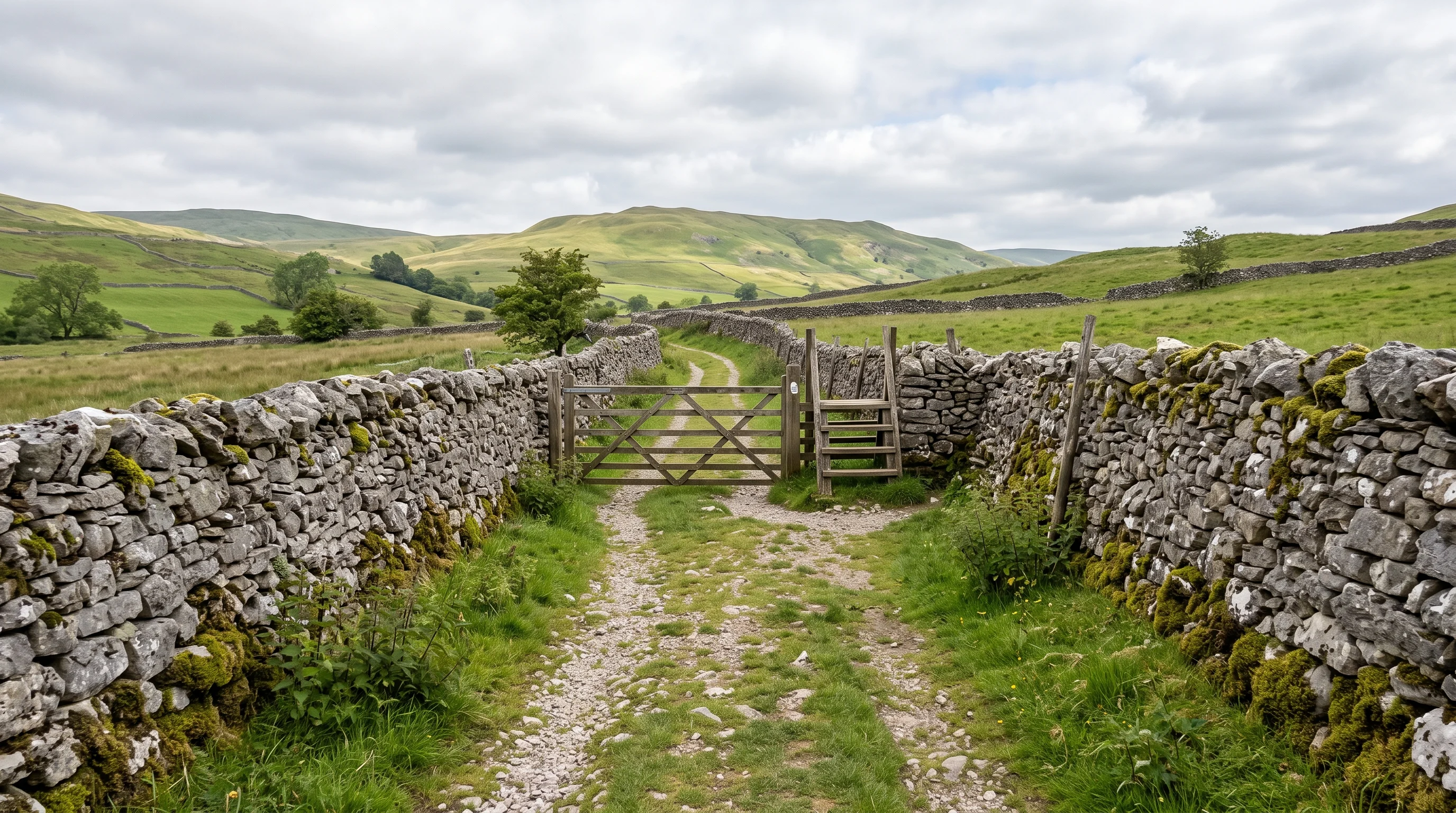
“This is what we're planning towards. A path above Kendal, a gate, a stile, a bit of a slope. Not a date on a calendar, because I don't know yours yet. A place. At the first appointment I'll ask you to name yours, and I'll write it at the top of your notes.”
For some people the path is Scout Scar; for others it's the length of the canal towpath, or the slope up to a daughter's front door in Windermere. Knee replacement recovery in Kendal is measured in places like these, and you'll know which one is yours before you've booked.
Book your first visit
You can book this yourself, or a son, daughter or partner can do it for you. Say roughly when the operation was and whether you can travel yet. If you're not sure you're ready for physiotherapy, book anyway and Jo will tell you honestly.